1. Cause
Pasteurellosis, caused by the bacterium Pasteurella multocida, is a serious problem for the livestock industry. This bacterium is highly resistant, capable of surviving 1-3 months in farm environments and moist, dark soil.
Pasteurella multocida typically exists in the soil and infects cattle and buffalo through contaminated food and water. The disease spreads directly from infected animals to healthy ones via saliva, through contact, or through contaminated food and water. Additionally, the disease can spread through bites and stings from vectors such as insects. Understanding Pasteurella multocida and its transmission is crucial for applying effective preventive measures, protecting the health of the herd, and enhancing livestock efficiency.
2. Symptoms
2.1. Acute Form
In the acute form of pasteurellosis, the animal suddenly develops a high fever of 41-42°C, becomes aggressive and frantic, bangs its head against walls, and may die within 24 hours. Some calves exhibit neurological symptoms, thrashing about and falling to the ground dead. Occasionally, an animal grazing may suddenly run amok, tremble, collapse and then faint.
2.2. Subacute Form
In the subacute form, the incubation period is short, only 1-3 days. The animal stops ruminating, becomes lethargic, restless, and suddenly develops a high fever of 40-42°C. The mucous membranes of the eyes and nose become dark red and then pale gray, and nasal discharge flows continuously. Lymph nodes swell, causing the animal to protrude its tongue and have difficulty walking. The animal breathes heavily and with difficulty due to pleurisy, fluid accumulation, and acute pneumonia. Gastrointestinal symptoms include initial constipation, followed by diarrhea with blood and intestinal mucosa. The abdomen becomes bloated due to peritonitis and fluid in the abdominal cavity. In the late stage, the diseased animal becomes recumbent, urinates blood, breathes very laboriously, and shows numerous dark red hemorrhagic spots on the mucous membranes. The disease progresses over 3-5 days with a mortality rate of 90-100%.
2.3. Chronic Form
In the chronic form, the animal exhibits chronic enteritis with alternating diarrhea and constipation, and arthritis causing difficulty in movement. Chronic bronchitis and pneumonia are also common symptoms. The disease progresses over several weeks, with symptoms gradually easing, but the animal often becomes emaciated and dies from exhaustion.
3. Lesions
Pasteurellosis causes congestion and hemorrhage in patches on the mucous membranes of the eyes, mouth, nose, and subcutaneous tissues. The lymphatic system swells, becomes edematous, and hemorrhagic, especially the lymph nodes behind the pharynx, shoulder, and front of the thigh. The heart swells, with fluid in the pericardium, pleura, thoracic cavity, and abdominal cavity. If the animal has the intestinal form, the mesenteric lymph nodes will swell and hemorrhage, and the intestinal mucosa will be heavily congested and peeled off.
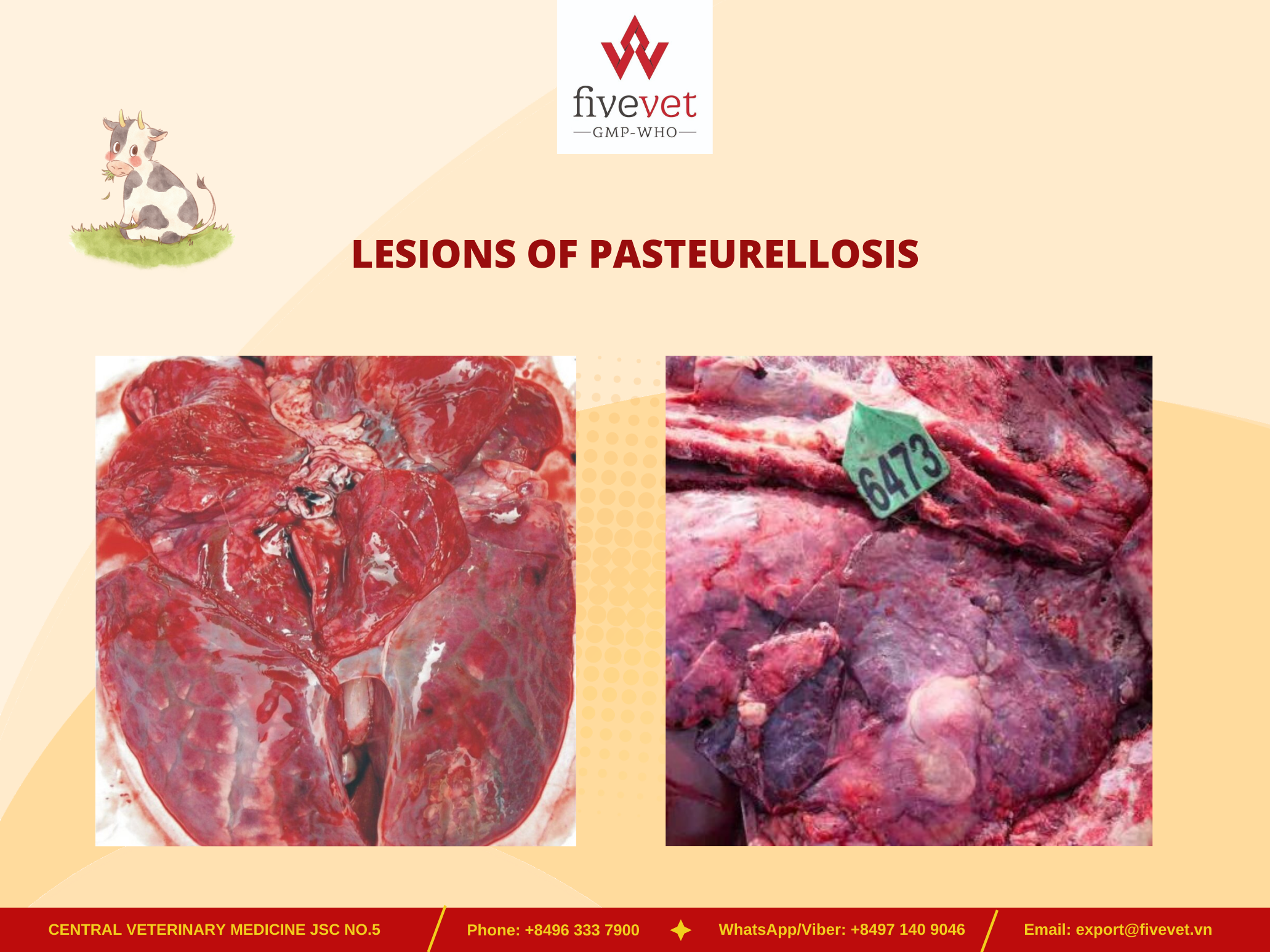 Image 1: Lesions of Pasteurellosis
 Vaccinate cattle and buffalo against pasteurellosis at 6 months of age and re-vaccinate every 6 months.
- Care and Hygiene: Enhance care, feeding and hygiene to prevent disease, especially during seasonal transitions and flood periods.
- Regular Disinfection: Periodically disinfect barns using one of the following products:
Five-Iodine,
Five-BGF,
Five-B.K.G,
Five-Perkon 3S, etc.
5. Treatment
- Antibiotics: Use one of the following injectable antibiotics:
Five-Gentatylo inj,
Five-Genamox,
Five-Flormax,
Five-Amox.Genta,
Ceta Gen couple, etc.
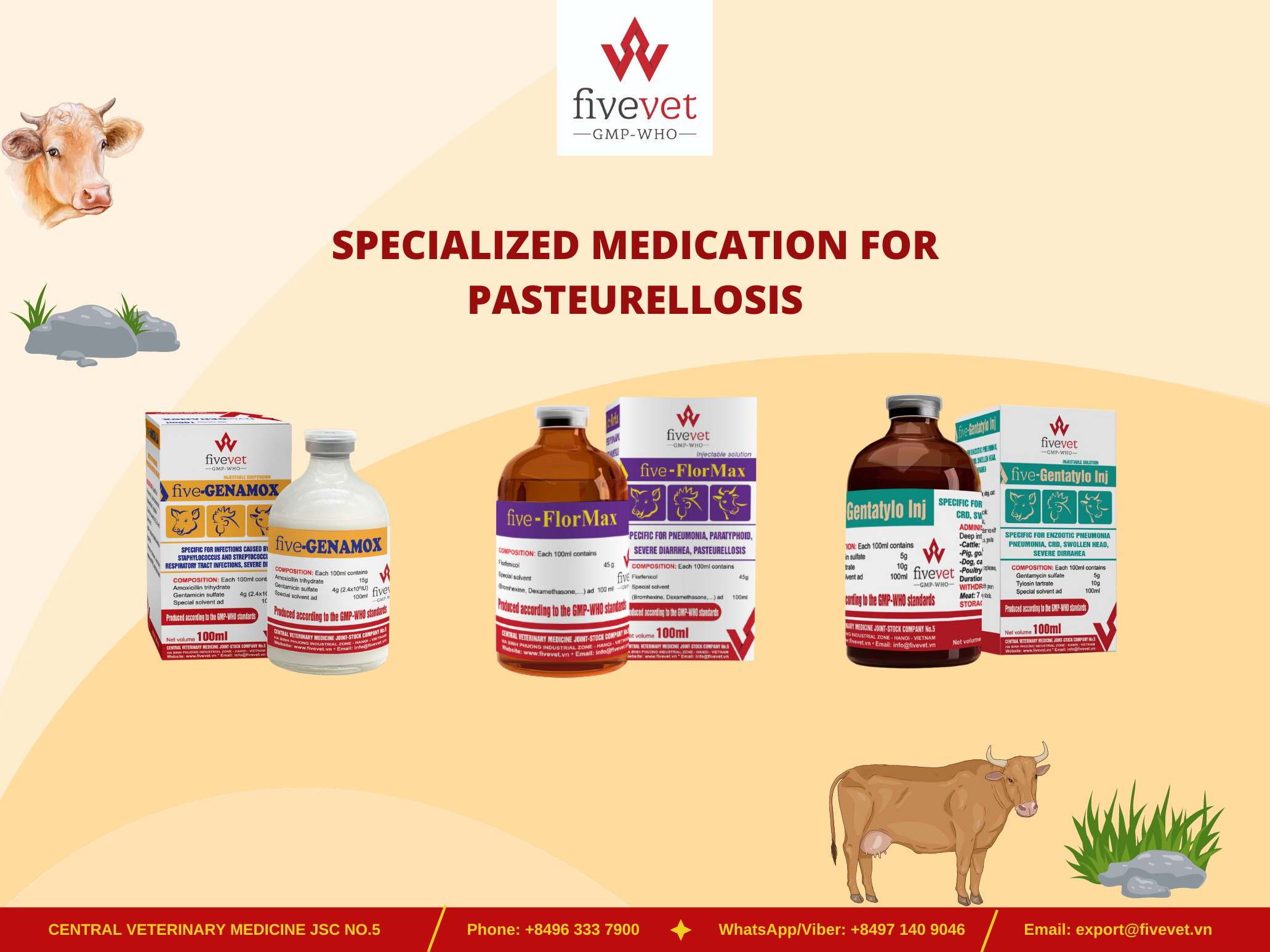 Image 2: Specialized medication for pasteurellosis
 Use one of the following:
Five-Anagin C,
Five-Chymosin,
Hado-Dexa,
Five-Ketofen,
Five-Tofen@LA, etc.
- Supportive Medications: Use one of the following supportive medications:
Five-Bcomplex inj,
Five-Butasal,
Five-Vitamin B1,
Five-Vitamin C, etc.
- Barn Hygiene: Maintain clean barns, regularly disinfect, and provide good care and nutrition to cattle and buffalo during the treatment process.
 +84 963337900
  info@fivevet.vn
  Login
Login  VN
VN
 ENG
ENG


